How to Maintain Results After Periodontal Treatment Ventura

Successful gum treatment is not a finish line. It is a reset.
That distinction matters. Whether someone has had scaling and root planing, laser therapy, pocket reduction, localized antibiotics, or a more advanced surgical procedure, the tissues can absolutely stabilize and heal. But periodontal disease has a stubborn habit of returning when the daily and long-term habits that support gum health slip. I have seen patients do beautifully for years with modest, steady routines. I have also seen excellent treatment outcomes start to unravel within six to twelve months because maintenance felt less urgent once the soreness, bleeding, or swelling went away.
If you have recently completed Periodontal Treatment Ventura, the next phase is less dramatic than treatment itself, but it is every bit as important. The goal now is simple: keep harmful bacteria from recolonizing below the gumline, control inflammation before it causes damage, and catch small changes before they become expensive or uncomfortable problems.
What “maintaining results” actually means
After periodontal therapy, most patients focus on symptoms. They want the gums to stop bleeding, the tenderness to settle down, and the breath to improve. Those are real wins, but a healthy maintenance phase goes deeper than symptom relief.
Your dental team is usually watching for reduced pocket depths, less bleeding on probing, firmer tissue tone, and stable bone support on radiographs over time. In practical terms, that means the gums are sealing more effectively around the teeth, the bacterial load is being managed, and the structures that hold the teeth in place are no longer under constant inflammatory attack.
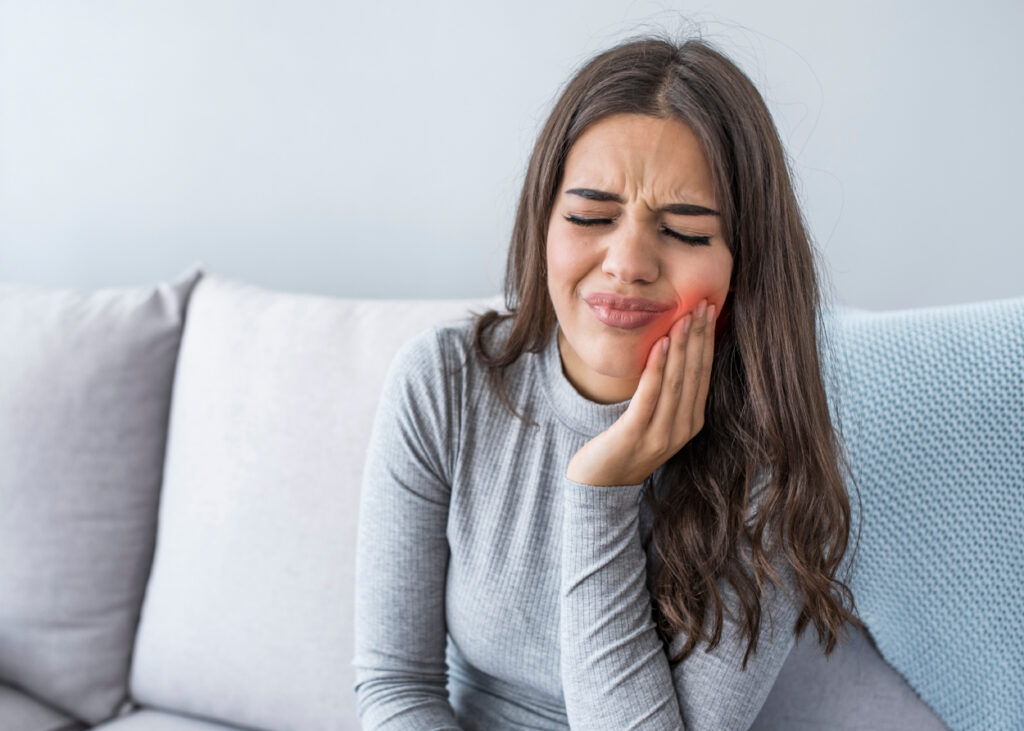
The challenge is that periodontal disease can become active again quietly. Some people assume no pain means no problem. Gum disease often does not work that way. A patient may feel fine while slow tissue breakdown is already restarting. That is why maintenance has to be measured both at home and in the dental chair.
The first few weeks matter more than most people realize
Right after treatment, the gums are in a vulnerable and responsive stage. This is when consistency pays off quickly. It is also when people are most likely to either overdo cleaning because they are anxious, or underdo it because the area feels tender.
Gentle, thorough plaque control is usually the right approach. Scrubbing hard with a stiff brush can irritate healing tissue and contribute to recession or root sensitivity. Doing too little allows a fresh bacterial film to organize again along the gumline. The sweet spot is controlled, daily disruption of plaque with techniques your periodontist or hygienist has shown you.
Food choices can matter in this short healing window too. Crunchy chips, seeded foods, hard crusts, and anything that tends to pack between teeth can be surprisingly irritating right after treatment. Most people do better with softer meals for several days, even if they feel fairly normal. Hydration helps, especially for patients who take medications that dry the mouth.
If your provider recommended a prescription rinse, localized antibiotic, or a specific post-op cleaning pattern, follow it exactly. This is not the time for improvising with social media advice, homemade rinses, or harsh whitening products.
The home routine that protects your investment
The most successful maintenance plans are boring in the best possible way. They are repeatable. They fit real life. They continue even during busy weeks.
A strong home routine after Periodontal Treatment Ventura usually includes:
- Brushing twice a day for a full two minutes with a soft-bristled brush or electric toothbrush, angled gently at the gumline.
- Cleaning between the teeth once a day with floss, interdental brushes, or another tool your provider has recommended for your specific spacing and gum contours.
- Using any prescribed antimicrobial rinse only as directed, since more is not always better and overuse can create other issues.
- Drinking water regularly and limiting the constant sipping of sugary or acidic beverages that feed bacterial growth.
- Paying attention to bleeding, tenderness, bad taste, or new sensitivity instead of assuming it will pass.
That list looks simple because the fundamentals really are simple. The difficulty is matching the method to the mouth. A patient with tight contacts and minimal recession may do well with floss alone. A patient with attachment loss, black triangles, bridges, implants, or wider embrasures may get much better results with interdental brushes or a water flosser used properly. The right tool is the one that actually cleans the area you have, not the area you used to have before gum loss changed the shape of the space.
Why technique beats effort
A common pattern in periodontal maintenance is the highly motivated patient who brushes often but still accumulates plaque where it matters most. They are working hard, but the bristles are skimming over the tooth surface rather than reaching the gumline. Or they floss quickly but snap past the contact without curving around the root surface. Effort alone does not remove biofilm in the areas where periodontal disease starts.
This is why hygiene reviews are so useful. A five-minute coaching session with a hygienist can change a patient’s results more than buying a shelf full of products. Small adjustments matter. The angle of the brush head, the size of an interdental brush, how far to guide floss under the gum edge, how much pressure to use, where to pause, all of these details add up.
Electric toothbrushes help many patients because they improve consistency and reduce the temptation to scrub. They are not magic. A poorly aimed electric brush is still a poorly aimed brush. But for patients with limited dexterity, crowded schedules, or a history of rushed brushing, they often make maintenance easier.
Maintenance cleanings are not regular cleanings
One of the biggest misunderstandings after treatment is the belief that a standard six-month cleaning is enough for everyone. For many people who have had periodontal disease, it is not.
Periodontal maintenance visits are designed to manage a history of disease, not just polish away surface stain. These visits often happen every three to four months, especially in the first year after active treatment. That interval is not arbitrary. It reflects how quickly pathogenic bacteria can repopulate periodontal pockets and how much easier it is to intervene when buildup and inflammation are still limited.
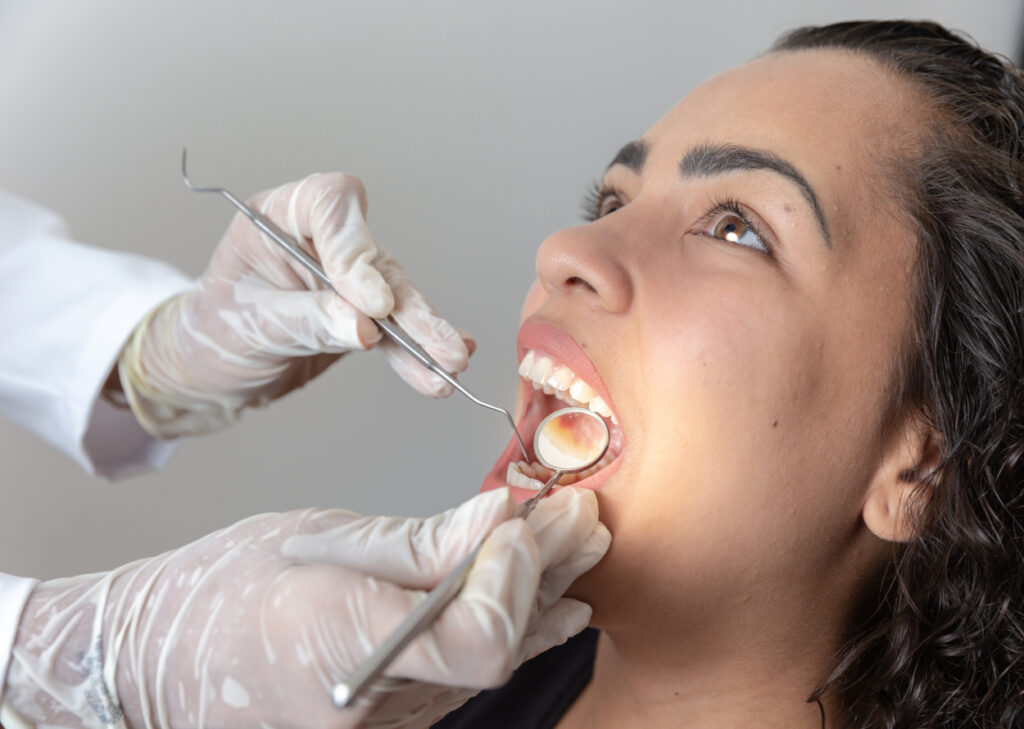
At a true maintenance visit, your provider may check pocket depths, assess bleeding points, evaluate mobility, inspect recession patterns, review bone levels over time, and clean more carefully below the gumline in at-risk sites. If a certain area is not responding, the appointment becomes a diagnostic checkpoint, not just a cleaning.
Some patients eventually space visits further apart if the gums stay stable and home care is excellent. Others need to remain on a shorter schedule for years. Neither outcome is a moral judgment. It is simply biology mixed with risk factors.
Risk factors that can quietly undo good treatment
Two patients can receive the same care and follow similar routines, yet one remains stable while the other relapses. That is where risk factors come in.
Smoking is still one of the most important. Nicotine and other tobacco exposures affect blood flow, healing response, and immune defense. Smokers sometimes bleed less visibly, which can create a false sense that the gums are healthier than they are. Vaping is not a free pass either. While the research continues to develop, dry mouth, inflammation, and tissue stress remain concerns.
Diabetes deserves close attention as well, especially if blood sugar is not well controlled. The relationship goes both ways. Poor glycemic control can worsen periodontal inflammation, and active gum disease can make blood sugar management harder. Patients with well-managed diabetes often maintain periodontal results much more predictably than those with frequent glucose swings.
Clenching and grinding are another overlooked issue. They do not cause periodontal disease by themselves, but they can overload teeth that already have reduced support. A patient may keep bacterial plaque under decent control and still develop mobility or soreness because mechanical forces are too high. In those cases, a nightguard or bite adjustment may protect the treatment result.
Dry mouth also changes the maintenance picture. Saliva is part of the mouth’s defense system. When it drops, plaque becomes harder to control and tissues become more prone to irritation. Many medications contribute https://gregorymzzu463.publishlane.com/posts/periodontal-treatment-ventura-early-detection-and-better-outcomes to this, including some used for blood pressure, anxiety, allergies, and depression. Patients often do better when they mention these side effects instead of assuming dry mouth is simply part of aging.
Diet has more influence than people think
Periodontal disease is not caused by sugar in the same direct way cavities often are, but the diet pattern still matters. Frequent snacking, sweetened drinks, sticky carbohydrates, and poor overall nutrition can shift the environment in the mouth toward more plaque retention and more inflammation.
What usually helps is not a perfect diet. It is reducing frequency. A person who drinks sweet coffee over three hours every morning, sips soda through the afternoon, and snacks constantly gives oral bacteria repeated fuel and the mouth very little recovery time. On the other hand, someone who eats regular meals, drinks water often, and limits sugary beverages usually creates a less favorable setting for bacterial buildup.
Protein, fibrous produce, hydration, and balanced meals all support healing and general inflammatory control. Patients recovering from periodontal treatment do not need trendy detoxes or supplement stacks. They need steady habits that reduce stress on the gums.
What to do if your gums start bleeding again
Bleeding is one of the earliest signs that something is off. Sometimes it reflects a technique problem and resolves quickly when the area is cleaned more effectively. Sometimes it signals returning inflammation deeper in the pocket. The key is not to stop cleaning the area out of fear. That usually makes the problem worse.
If bleeding returns, think in terms of timing and pattern. Is it happening in one spot or everywhere? Did it begin after you changed a brush, started flossing more aggressively, or skipped several nights of cleaning? Is there swelling, bad taste, or tenderness? A single irritated papilla after forceful flossing is different from generalized bleeding with puffy tissue and persistent odor.
If the bleeding lasts more than about a week despite gentle, careful hygiene, or if it keeps recurring in the same place, schedule an evaluation. It is far easier to manage a site with early recurrent inflammation than to wait until pocketing deepens again.
Here are the signs that should prompt a call to your dental office sooner rather than later:
- Bleeding that persists beyond several days despite gentle daily cleaning.
- A swollen area, gum boil, or pus-like drainage.
- New tooth looseness, shifting bite, or pressure when chewing.
- Ongoing bad breath or bad taste that does not improve with cleaning.
- Sharp increase in sensitivity along roots or exposed areas.
Those symptoms do not always mean major relapse, but they do mean the area deserves a closer look.
Retention can be harder around certain teeth
Not every part of the mouth is equally easy to maintain. Lower front teeth tend to collect calculus quickly because of salivary gland location. Upper molars are often missed because access is awkward. Crowded teeth, old crowns with overhangs, bridgework, implants, and deep root grooves all create areas where plaque control becomes more technique-sensitive.
This is one reason personalized maintenance matters. A patient may say, honestly, “I brush and floss every day,” and still keep getting inflammation around a lower retainer, beneath a pontic, or behind a tipped molar. The routine is there, but the anatomy demands a more specific approach. Sometimes a tiny interdental brush, a threader, or a change in brush head size solves what looked like a compliance problem.
I have also seen restorative work play a role. Margins that trap plaque or contacts that are too tight for effective flossing can make periodontal stability harder to maintain. Good dentistry is collaborative. If the shape of a restoration is undermining hygiene, the answer may involve both the restorative dentist and the periodontal team.
The emotional side of periodontal maintenance
People do not always talk about this part, but gum treatment can leave patients feeling uneasy for a while. Some become hyperaware of every sensation and worry that any bleeding means failure. Others feel embarrassed that they needed treatment at all and avoid follow-ups out of guilt. Neither reaction helps.
Periodontal disease is common, and it is influenced by genetics, systemic health, medications, tobacco exposure, stress, anatomy, and access to care, not just brushing habits. Yes, home care matters a great deal. So does recognizing that this is a chronic condition for many people, not a one-time event that can be “fixed” forever.
Patients usually do best when they treat maintenance like blood pressure control or physical therapy after an injury. It is ongoing care with practical routines, not a referendum on character. Once that mindset clicks, appointments feel less like bad news waiting to happen and more like routine calibration.
How Ventura patients can make follow-through easier
Lifestyle affects compliance more than motivation does. In a place like Ventura, where schedules often shift between work, commuting, family responsibilities, and time outdoors, the best oral health routine is usually the one that travels well and survives imperfect days.
That may mean keeping flossers or interdental brushes in a work bag, using an electric brush with a timer at night when energy is low, rinsing with water after coffee when brushing is not possible, or booking maintenance appointments several months in advance before the calendar fills up. For some people, a morning routine fails consistently but a post-dinner cleaning habit sticks. There is no prize for doing it the textbook way if a different pattern gets the job done every day.
Ventura’s dry, breezy days and active lifestyle can also leave some people a bit dehydrated without realizing it. If you breathe through your mouth during exercise, spend long hours talking for work, or rely on coffee more than water, your gums may feel the effects. Little adjustments, like carrying water and being mindful of dry mouth, can make maintenance easier.
When results are stable, what should you expect?
Stable periodontal results do not always mean your gums look exactly as they did years ago. If you had moderate or advanced disease, some recession, black triangles, or longer-looking teeth may remain even after successful treatment. Stability means the condition is not actively worsening. The goal is health, comfort, function, and preservation.
Over time, patients who maintain well often notice very practical benefits. Bleeding becomes rare. Breath improves. Chewing feels more secure. Sensitivity may lessen as inflammation settles. Most importantly, they keep more of their natural support and reduce the odds of needing more invasive treatment later.
That does not mean perfection. Most long-term maintenance patients have occasional problem spots. A pocket that needs closer monitoring. A season of stress when home care slips. A restoration that complicates cleaning. The win is catching those issues early and adjusting before they become major setbacks.
A realistic standard to aim for
If there is one message worth holding onto after Periodontal Treatment Ventura, it is this: consistency beats intensity. You do not need a complicated ten-step routine. You need precise daily cleaning, honest follow-up, and a willingness to respond early when something changes.
The patients who keep their results the longest are rarely the ones chasing the newest gadget or the strongest mouthwash. They are usually the ones who understand their own risk factors, keep their maintenance visits, and make small corrections before small problems become large ones. They know their lower front teeth tartar up quickly, or that a molar bridge needs extra attention, or that stress leads to grinding and skipped flossing. That self-awareness, paired with professional monitoring, is what protects the investment you have already made in your health.
Gum treatment can stop disease progression and preserve teeth for many years. Maintenance is what makes that success last.
Avra Dental
Address: 1708 S Victoria Ave B, Ventura, CA 93003
Phone number: (805) 941-1001
FAQ About Periodontal Treatment Ventura
Can a dentist get rid of periodontal disease?
A dentist or gum specialist (periodontist) cannot fully cure or reverse advanced periodontal disease (periodontitis), but they can successfully stop its progression and manage the infection.
Is periodontitis very serious?
Yes, periodontitis is a very serious, advanced form of gum disease that destroys the bone and tissues supporting your teeth.
How is stage 2 periodontal disease treated?
Stage 2 periodontal disease (early to moderate periodontitis) is primarily treated with non-surgical deep cleaning procedures like scaling and root planing to remove bacteria and tartar below the gumline.