What Recovery Looks Like After Periodontal Treatment in Ventura
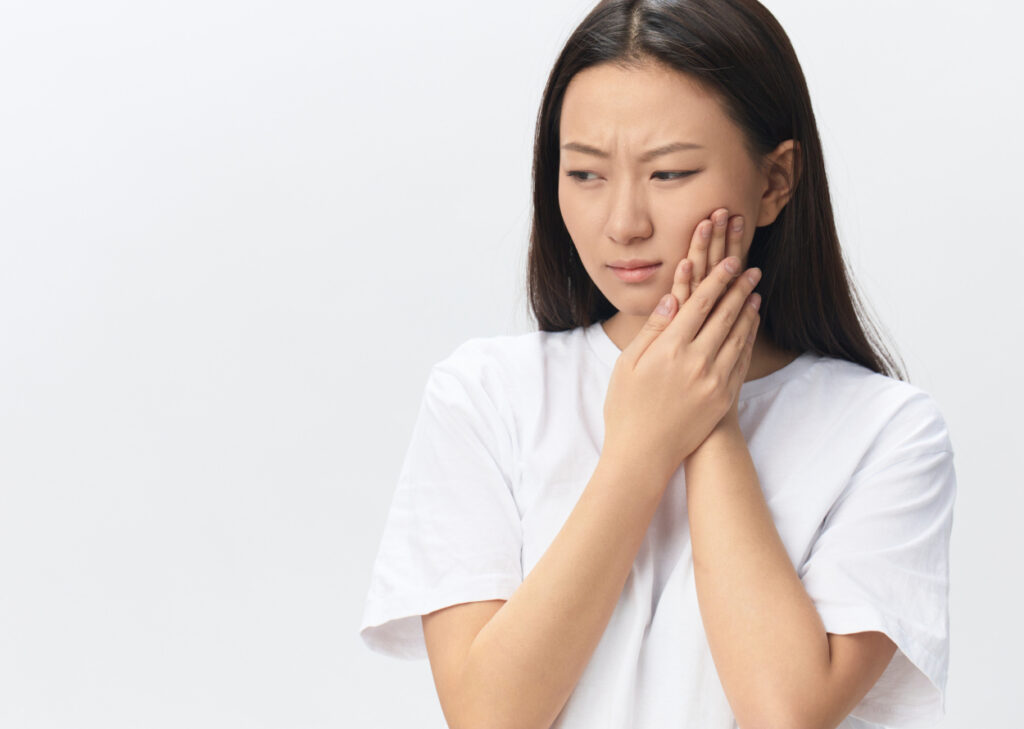
Periodontal treatment solves a problem that rarely announces itself with drama at first. Gum disease often starts quietly, with a little bleeding when brushing, some tenderness near the back molars, maybe a breath issue that mouthwash never seems to fix. By the time many patients in Ventura sit down for treatment, they are dealing with much more than surface irritation. The gums may have pulled away from the teeth, pockets may have deepened, and bone support may already be under stress.
What happens after treatment matters just as much as the procedure itself.
Recovery from periodontal care is not usually a single moment where everything suddenly feels normal again. It is a process. For some people, that process is short and uncomplicated. For others, especially those with advanced disease, grafting, or surgical therapy, recovery comes in stages. The first few days are about protecting the area and calming inflammation. The next few weeks are about tissue repair and getting back to comfortable chewing, brushing, and speaking. The longer horizon is where the real win happens, when healthier habits and regular maintenance help keep the disease from returning.
If you are preparing for Periodontal Treatment Ventura patients commonly receive, it helps to know what recovery actually feels like, not just what appears on an aftercare sheet.
Recovery depends on the type of treatment
Periodontal care is a broad category, and recovery is shaped by what was done. A deep cleaning, often called scaling and root planing, has a different healing timeline than flap surgery, gum grafting, or bone regeneration. Even two people who have the same procedure can recover differently depending on their general health, smoking history, bite forces, stress levels, and how inflamed the gums were before treatment.
After a non-surgical deep cleaning, the most common complaints are soreness, temperature sensitivity, mild swelling, and a feeling that the teeth are somehow more exposed than before. That last sensation can be surprising. Once tartar is removed and inflamed tissue begins to settle down, the gums may shrink slightly into a healthier position. Teeth can feel longer. That does not mean the treatment caused damage. It usually means the swelling that had been disguising the underlying condition is gone.
Surgical periodontal treatment creates a more involved recovery. If the gums were lifted to clean deeper areas or reshape tissue, you can expect more swelling and tenderness than with a deep cleaning alone. If a graft was placed, whether gum tissue or bone material, the recovery tends to be more protective in nature. Patients need to avoid disturbing the site while the body lays down new tissue and stabilizes the area.
A fair way to think about it is this: the more extensive the disease and the more reconstruction required, the more deliberate the healing period will be.
The first 24 hours feel different than people expect
Many patients brace for severe pain and are relieved to find that recovery is more awkward than dramatic. The mouth feels tender, a bit swollen, and unusually noticeable. People who are not used to thinking https://lorenzoxcrz819.lucialpiazzale.com/periodontal-treatment-ventura-for-health-conscious-dental-patients about their gums become very aware of them.
If local anesthetic was used, the first challenge is simply waiting for numbness to wear off. During that window, eating too early can lead to accidental cheek or lip biting. Once feeling returns, discomfort often builds gradually rather than all at once. That is why many clinicians suggest staying ahead of soreness with the medications or pain strategies recommended after the appointment.
Minor bleeding or pink saliva can happen early on, especially after surgery or grafting. It typically looks more alarming than it is. A little blood diluted by saliva can stain an entire sink. What matters is whether the bleeding slows down with gentle pressure and rest. Ongoing heavy bleeding is different and deserves a call to the office.
In Ventura, patients often ask whether ocean air, outdoor activity, or warm weather changes immediate recovery. The weather itself is not usually the issue. The issue is behavior. On a sunny afternoon it is tempting to run errands, work in the yard, go for a long walk on the beach, or head back into a physically demanding routine. That is where swelling can increase. Blood pressure rises with exertion, and a site that needed quiet can start throbbing or bleeding again. Recovery goes more smoothly when the first day is treated like actual recovery, not like a minor inconvenience squeezed between obligations.
What normal healing usually looks like in the first week
The first week is when people do the most second-guessing. They look at the site in the mirror and wonder whether it is healing correctly. They compare one side of the mouth to the other. They worry that color changes mean infection, when in fact healing tissues often look uneven, pale, red, or slightly bruised.
For non-surgical care, soreness usually peaks within a day or two and then begins to fade. The gums may feel raw when brushing. Cold drinks can trigger sensitivity, particularly around exposed root surfaces. Patients often describe a clean but tender feeling, as if the teeth were deeply polished and the gums are still catching up.
For surgical care, the first week is more structured. Swelling often reaches its high point around day two or three. The area may feel tight. If sutures were placed, they can create a pulling sensation or make the mouth feel busier than usual. Speech may be slightly altered if the work was done in the front of the mouth or on the palate. That is not uncommon.
A protective dressing, if used, can also create odd sensations. Patients sometimes say it feels as though something is lodged between the teeth, or that the bite is slightly off. That feeling is usually temporary and related to the dressing or swelling, not a permanent change.
During this phase, the body is doing a remarkable amount of work. Blood supply increases, inflammatory cells clear debris, and the tissue begins to reorganize. Healing is active even when progress looks slow from the outside.
Eating after treatment is simpler when you stop aiming for perfect
People often ask for a precise food plan, but recovery eating is usually more about judgment than strict rules. Most patients do well when they choose soft, mild, easy-to-chew foods and avoid anything that scrapes, burns, crunches, or wedges into the gums. The practical challenge is not only what to eat, but where in the mouth to chew and how much force to use.
A patient recovering from deep cleaning can often resume fairly normal eating within a day or two, with some common-sense adjustments. Someone who has had grafting or periodontal surgery may need a softer diet for longer. Scrambled eggs, yogurt, oatmeal, fish, pasta, smoothies eaten carefully with a spoon, and well-cooked vegetables are common early choices. Tortilla chips, crusty bread, nuts, popcorn, and seeded foods are frequent troublemakers because they break into small sharp pieces and migrate straight toward healing tissue.
Hot temperature matters almost as much as texture. Very hot coffee or soup can be irritating early on. Spice can also be more intense than usual against raw or freshly treated gums.
One practical point that patients appreciate: hunger tends to win by the second or third meal. The first meal after treatment is usually cautious. By later that evening or the next day, people start testing the limits. That is often when they overdo it. If you have had surgery, the tissue does not care that you feel better than you did six hours ago. It still needs protection.
Oral hygiene after periodontal treatment takes a lighter touch, not less commitment
The biggest misunderstanding in recovery is the idea that cleaning should stop because the gums are sore. In reality, plaque accumulation during healing can set the stage for more inflammation, delayed recovery, and disappointing results. The goal is not to avoid cleaning, but to clean in a way that matches the stage of healing.
After a deep cleaning, brushing can usually continue the same day or the next, though it may need to be gentler than normal. Flossing can feel uncomfortable where the tissue is tender, but neglecting it entirely for too long tends to backfire. Some providers recommend a soft or ultrasoft brush for the first several days, especially if recession or sensitivity is pronounced.
After surgery or grafting, the instructions become more specific. Sometimes a patient is told not to brush the treated area for a set number of days and to rely instead on a rinse or carefully cleaning only the untreated teeth. That does not mean abandoning the rest of the mouth. It means respecting the surgical site while keeping bacterial load down elsewhere.
The patients who recover best are usually not the ones who brush hardest or rinse constantly. They are the ones who follow the actual instructions instead of improvising.
Common symptoms that are usually part of recovery
Most people feel more confident when they know what is expected. These are common, usually temporary experiences after periodontal treatment:
- Mild bleeding or pink-tinged saliva in the first day
- Tenderness when chewing or brushing near treated areas
- Swelling that peaks around day two or three after surgery
- Sensitivity to cold, especially after deep cleaning
- Teeth feeling longer or spaces seeming more noticeable as inflammation subsides
Those changes can be unsettling, but they often reflect healthier tissue settling into place.
What deserves a call to the office
Patients are sometimes too quick to panic about normal soreness and too slow to report the things that actually matter. Periodontal treatment is safe and routine, but recovery should still be monitored with common sense. A short phone call can prevent a small problem from becoming a larger one.
These signs generally warrant prompt follow-up:
- Bleeding that stays heavy or does not slow with pressure
- Pain that worsens steadily instead of improving
- Fever, foul taste, or swelling that becomes hard and pronounced
- A graft or dressing that appears to shift significantly
- Inability to eat, drink, or manage discomfort despite following instructions
When something feels off, it is better to ask than to wait three more days and hope for the best.
The second week is when progress becomes more obvious
For many people, the second week is a turning point. The gums are still healing, but the mouth starts to feel less fragile. Daily function gets easier. Brushing is less intimidating. Meals require less planning. If sutures are scheduled for removal, that visit often gives patients a visible marker of progress.
This phase can also bring a false sense of being "done." The acute recovery is easing, but the tissues are still remodeling underneath. That matters because habits during this period can influence the final outcome. Returning too quickly to smoking, aggressive flossing, hard foods, or skipped home care can create setbacks that patients mistake for bad luck.
In my experience, one of the most underappreciated parts of periodontal recovery is the emotional side of seeing the mouth look different. Some people notice black triangles between teeth where puffiness used to fill the space. Others are relieved that the gums no longer bleed but then become self-conscious about recession that was hidden by swelling. These are not vanity concerns. They are part of adjusting to a healthier, but sometimes visibly changed, gumline. Good periodontal care is about preserving teeth and supporting structures first. Aesthetic refinements can come later if needed.
Sensitivity can linger longer than soreness
Pain is not always the longest-lasting issue. Sensitivity often outlasts it. After inflamed tissue resolves and roots are cleaner and more exposed, cold air, chilled water, and sweet foods may trigger quick sharp sensations. This is especially common after scaling and root planing.
The good news is that this type of sensitivity often improves over several weeks as the teeth adapt and the gums stabilize. Desensitizing toothpaste can help, but it rarely works overnight. It usually takes repeated use. Some patients also benefit from in-office desensitizing agents or fluoride treatments, particularly if root exposure is significant.
This is one area where expectations matter. If someone is told that deep cleaning will make the gums healthier but is not warned that sensitivity might temporarily increase, they may assume something went wrong. Usually it did not. The mouth is adjusting to a cleaner, less inflamed environment.
Smoking, diabetes, and stress change the picture
Recovery is never just about the mouth. Systemic factors shape how well the tissues heal. Smoking remains one of the strongest predictors of slower healing and poorer periodontal outcomes. The frustrating part is that smokers do not always see dramatic warning signs right away. Nicotine can constrict blood vessels and blunt the obvious redness or bleeding that would otherwise signal trouble. A site may look deceptively calm while healing is compromised underneath.
Diabetes, particularly when blood sugar is poorly controlled, can also slow periodontal recovery. That does not mean treatment will fail, but it does mean the body may need more time and closer maintenance. Coordination between dental and medical care can make a real difference here.
Stress deserves mention too. Patients under sustained stress often clench more, sleep less, snack differently, and follow instructions less consistently, not because they do not care, but because they are stretched thin. Recovery asks for a bit of patience and routine. When life is chaotic, that can be harder than expected.
Ventura lifestyle factors can influence healing in practical ways
Ventura has its own rhythms. People spend time outdoors. Work can be physically active, whether that means construction, hospitality, coastal maintenance, fitness, or long days on your feet. Recovery after periodontal treatment has to fit real life, not a fantasy week of complete rest.
That is why practical planning matters. If your job requires lifting, constant talking, or limited access to water and soft food, schedule treatment with recovery in mind. A person who gets grafting on Thursday and is back coaching youth sports all weekend in the sun may heal, but they are not setting themselves up for the smoothest experience.
Hydration also matters more than people think, especially in dry coastal air or during active days. A dry mouth can make tenderness more noticeable and can interfere with comfort during healing. Mouth breathing at night, common in people with congestion or snoring, can irritate tissues as well.
These are not dramatic risk factors. They are the everyday details that separate a manageable recovery from an unnecessarily frustrating one.
Follow-up visits are part of treatment, not an optional extra
A lot of patients think of the procedure as the main event and the follow-up as administrative cleanup. Periodontal care does not work that way. Rechecks allow the clinician to see how the tissue is responding, remove sutures if needed, measure stability, and catch problems early.
These visits are also where long-term maintenance begins. Gum disease is not like a cavity that is filled once and forgotten. It is a chronic inflammatory condition with periods of control and recurrence. Treatment can reset the health of the gums, but maintenance keeps them there.
For some Ventura patients, that means periodontal maintenance every three or four months instead of a routine six-month cleaning schedule. This is not over-treatment. It reflects the biology of someone who has already shown susceptibility to periodontal breakdown. Once deeper pockets and attachment loss have occurred, the mouth usually benefits from closer monitoring.
Long-term recovery is really about preventing relapse
The best way to judge periodontal recovery is not whether the mouth feels normal after a week. It is whether the gums remain stable over months and years. Bleeding decreases. Pocket depths improve or stop worsening. Breath improves. Chewing becomes more comfortable. Teeth feel more secure. Those are meaningful outcomes.
Sometimes patients expect the gums to return to how they looked at age twenty-five. That is not always realistic, especially if there has been significant bone loss or recession. Recovery often means moving from active disease to manageable stability. That may not sound glamorous, but in periodontal care it is a major success. Stability keeps teeth in function. Stability preserves options. Stability often prevents the need for more invasive treatment later.
The people who do best over time usually understand one quiet truth: periodontal treatment is not a finish line. It is a turning point. The disease process can be slowed dramatically, and in many cases controlled very well, but the mouth needs continued attention.
What patients are often pleasantly surprised by
Once the initial healing settles, many patients notice benefits they did not expect. Breath improves in a way that gum or mouthwash never achieved. The heavy, pressured feeling around certain teeth disappears. Brushing no longer leaves streaks of blood in the sink. Some people even report that food tastes cleaner once deep buildup is removed and inflamed tissue calms down.
There is also relief in knowing what the problem actually was. Before treatment, vague symptoms can create a lot of low-grade worry. Is that tooth loose? Why are my gums receding? Why does this area keep swelling? Recovery replaces uncertainty with a more predictable pattern. You know what was treated, what is healing, and what maintenance looks like.
For anyone considering Periodontal Treatment Ventura providers offer, that predictability matters. When patients understand the rhythm of healing, they are less likely to mistake normal recovery for failure and more likely to follow through with the care that protects their results.
The short version is reassuring. Most recoveries are manageable. Some are inconvenient. A few require more patience than expected. But with thoughtful treatment, realistic expectations, and consistent aftercare, the gums usually tell the story clearly. Less bleeding. Less inflammation. More comfort. More stability. That is what successful recovery looks like.
Avra Dental
Address: 1708 S Victoria Ave B, Ventura, CA 93003
Phone number: (805) 941-1001
FAQ About Periodontal Treatment Ventura
Can a dentist get rid of periodontal disease?
A dentist or gum specialist (periodontist) cannot fully cure or reverse advanced periodontal disease (periodontitis), but they can successfully stop its progression and manage the infection.
Is periodontitis very serious?
Yes, periodontitis is a very serious, advanced form of gum disease that destroys the bone and tissues supporting your teeth.
How is stage 2 periodontal disease treated?
Stage 2 periodontal disease (early to moderate periodontitis) is primarily treated with non-surgical deep cleaning procedures like scaling and root planing to remove bacteria and tartar below the gumline.